Blog & Videos

They’ll Grow Out of It… But What If They Don’t?
It is one of those phrases that can sound reassuring at first—especially when you are an exhausted parent desperately hoping that the sleepless nights, digestive struggles, meltdowns, constant congestion, or developmental concerns really are just a phase.

The Brain-Gut Connection: How the Vagus Nerve Shapes Your Child’s Digestive Health
The brain-gut connection is a bidirectional communication network linking the central nervous system with the digestive system through neurological, hormonal, immune, and microbial pathways.

Your Child’s Immune System Is Listening to Their Nervous System
As parents, we have all been there. It is the middle of the night, and your child wakes up burning with a fever, coughing nonstop, complaining that their ear hurts, or struggling to breathe through another round of congestion.

Nervous System Regulation: The Foundation for Raising Resilient Kids
As a parent, you want your child to be able to handle whatever life brings their way. You want them to recover after getting sick, bounce back from everyday bumps and falls, work through disappointment, adapt when plans change, and move forward after a difficult day. That is resilience.

Raising Resilient Kids Starts With the Nervous System
When you think about raising a resilient child, emotional strength may come to mind. But resilience is also how your child’s body responds to illness, digests food during stressful seasons, sleeps, maintains energy, and recovers after physical or emotional challenges. The nervous system helps coordinate all of it.

Why Kids With ADHD Can Feel Wired, Tired, and Completely Burned Out
Parents of children with ADHD often describe a confusing pattern. Their child seems to have endless energy, struggles to slow down, and moves quickly from one thought or activity to the next. Yet by the end of the day, that same child may be exhausted, emotional, irritable, or completely overwhelmed.

How The Nervous System and ADHD are Linked
ADHD can look like constant movement and impulsivity—but it can also look like daydreaming, forgetfulness, disorganization, and trouble finishing tasks. The nervous system is working overtime just to keep up with the demands of school and daily life. They struggle throughout the day, arrive home already depleted, and have very little capacity left for homework, transitions, or emotions.

Back-to-School Stress and Your Child’s Nervous System
Back-to-school season can be exciting for kids and parents, but it can also be one of the most stressful transitions of the entire year. After a summer filled with later nights, looser routines, more snacks, more screen time, more travel, and more flexibility, kids are suddenly expected to wake up earlier, sit longer, focus harder, follow more instructions, manage more transitions, and keep it all together socially, emotionally, and academically.
Back-to-School Stress: Why Your Child May Be Struggling More Than Usual
Wouldn’t it be amazing if back-to-school season didn’t have to come with meltdowns, stomach aches, sleep struggles, anxiety, and total exhaustion? For so many families, the school year starts strong…and then the stress starts stacking up fast.

The Nervous System Side of Co-Regulation
Your child is not born knowing how to regulate big emotions—they learn through connection. In this video, Dr. Drake explains co-regulation, why your child “borrows your calm,” and how supporting the nervous systems of both children and parents can help the whole family build more resilience, connection, and calm.
Your Child Borrows Your Calm: Why Co-Regulation Matters for the Whole Family
If you have ever tried to stay calm while your child is melting down, you know how hard it can be. Maybe they are crying over the wrong color cup. Maybe getting out the door turns into a full-body battle. Maybe homework, bedtime, transitions, or leaving the playground bring out emotions that feel way bigger than the moment itself.
When Tantrums and Meltdowns Are More Than Behavior
Tantrums, meltdowns, and emotional outbursts can leave parents feeling confused, exhausted, and even defeated. One minute your child seems fine. The next, they are crying, yelling, shutting down, throwing themselves on the floor, or completely overwhelmed by something that seems small from the outside.
Big Booms, Bright Lights, and Big Feelings
The 4th of July can be one of the most exciting holidays of the summer. Cookouts, popsicles, parades, fireworks, late nights, family gatherings… all the things that make the day feel fun and memorable.
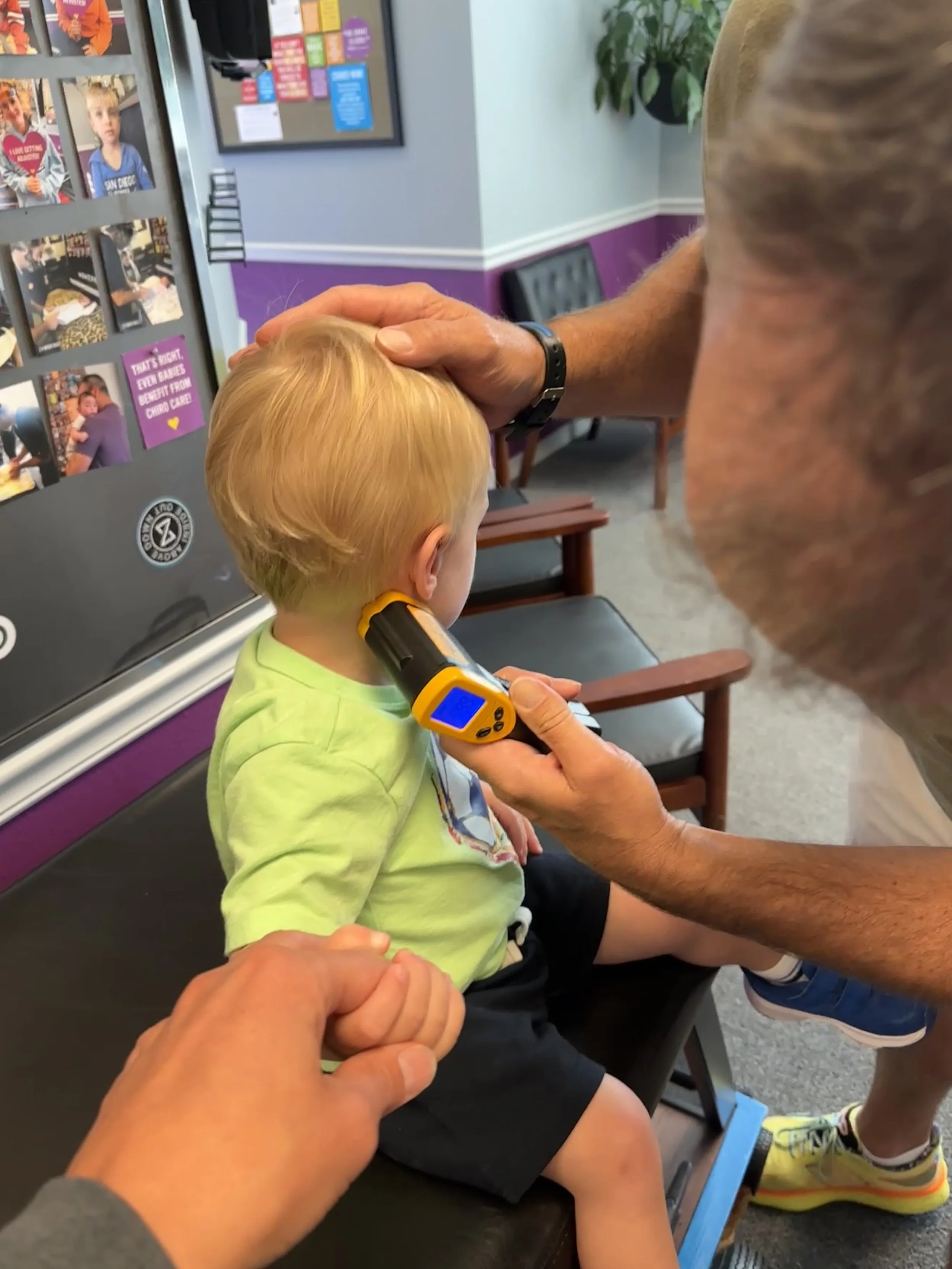
Why Ear Infections Keep Coming Back
Ear infections are one of the most common childhood struggles families face. If your child has ever woken up in the middle of the night crying, tugging at their ear, running a fever, or acting completely unlike themselves, you know how stressful it can be.

The Nervous System Side of Summer Brain
Summer brain may be more than boredom, laziness, or a lack of structure. When teens are spending more time scrolling, gaming, staying up late, and missing out on movement, sunlight, and real rest, their nervous system can become overloaded.

Why Families Trust Innate Family Chiropractic as Owasso’s Pediatric Drug Free Chiropractor
When parents in Owasso are looking for natural, drug-free support for their children’s health, they want more than a quick visit and a rushed conversation. They want answers. They want a provider who listens.

What Is PANDAS and Why Sudden Changes in Kids Should Never Be Ignored
Did your child seem to change overnight after being sick? PANDAS is often linked to a misdirected immune response after strep. Sudden OCD behaviors, tics, anxiety, mood swings, sleep struggles, sensory issues, and regression can all be signs that something deeper is going on.

Prenatal Stress and the Nervous System
Pregnancy is exciting, emotional, and life-changing. It can also feel overwhelming fast. From the moment you see that positive test, your mind starts racing. You think about appointments, symptoms, labor, baby’s health, your changing body, and all the opinions that seem to come from every direction.

C-Sections and Autism: What Parents Need to Know About Neurodevelopment
Birth is not just a moment in time—it’s the nervous system’s very first major stress and adaptation event. For many families, a C-section is absolutely necessary and lifesaving. If your child was born via C-section, this conversation is not about blame, guilt, or fear. It’s about understanding.

Torticollis & Plagiocephaly: More Than Tight Muscles — Understanding the Nervous System Behind Your Baby’s Struggles
If your baby always looks to one side, fights tummy time, or has a flat spot developing on the back or side of their head, you're not alone. Torticollis and plagiocephaly are two of the most common infant concerns parents bring into our office — and they often show up together.