
Blog & Videos

Why Following Your Child’s Care Plan Matters More Than You May Think
Your child’s care plan is not a random schedule—it is a personalized roadmap built from their history, exam findings, goals, and INSiGHT Scans. The honest truth is that consistency matters, especially in the beginning. Early in care, the nervous system returns to old patterns quickly. Each adjustment builds on the last, helping create momentum and giving the brain and body repeated opportunities to learn a healthier response.

Importance of Care Plan Consistency
We are going to be completely honest: you cannot expect your child to receive the full benefit of their chiropractic care plan if you do not follow it. That may sound direct, but your child’s care plan is not a random collection of appointments.

Tech Neck Is More Than Poor Posture: What Your Screens Are Doing to Your Nervous System
Do you finish the day with a stiff neck, tight shoulders, or a headache—only to repeat the same cycle the next day? Tech neck is not simply about sitting the “wrong” way. Your body adapts to the positions you repeatedly place it in. Over time, hours spent leaning toward a computer, looking down at a phone, or sitting without enough movement train your nervous system into patterns of tension and restricted motion.
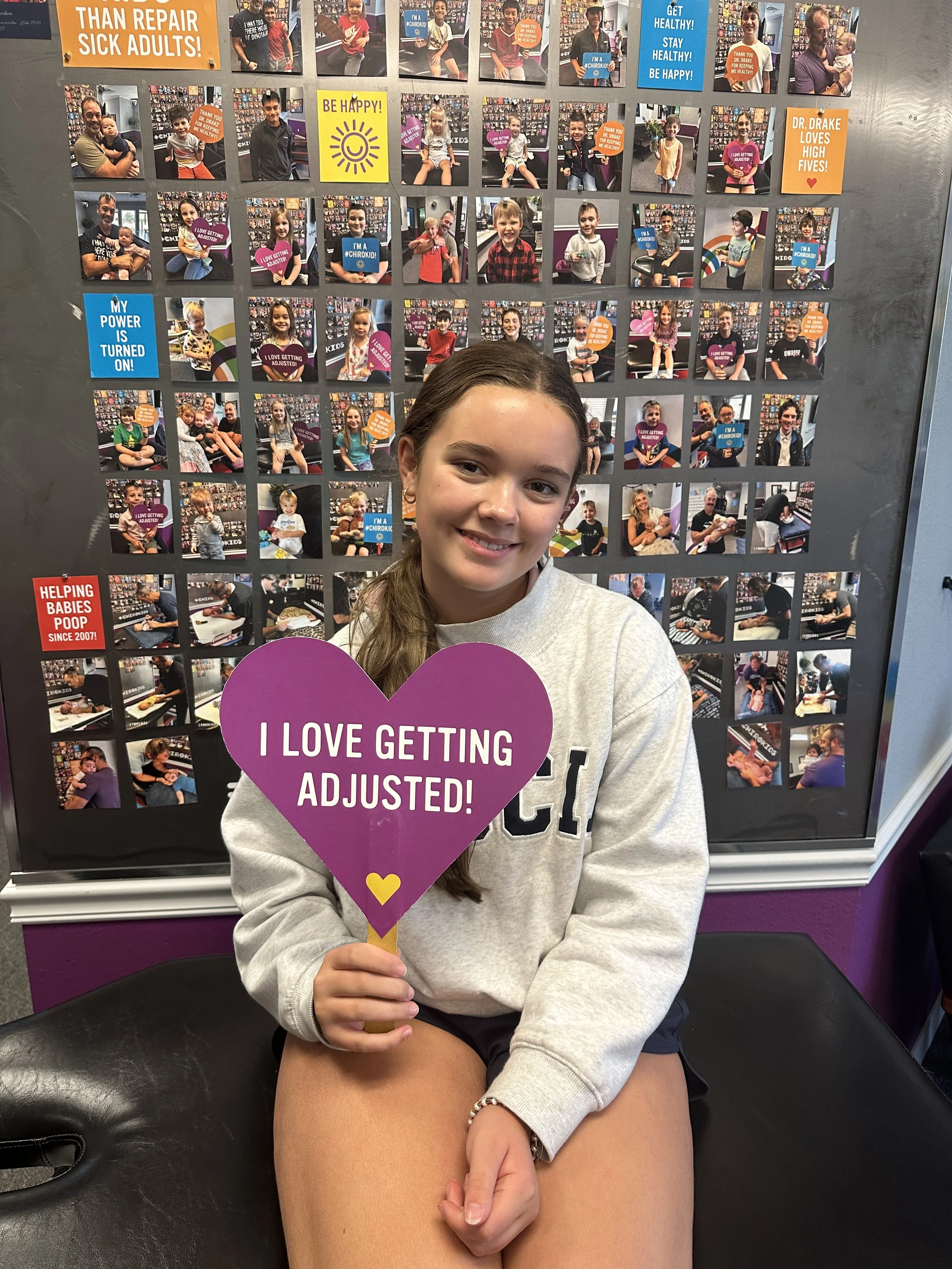
Tech Neck Is More Than Poor Posture: How Your Daily Habits Affect Your Nervous System
You finish the day with a stiff neck, tight shoulders, or a headache that seems to start at the base of your skull. You roll your shoulders, stretch your neck, or blame your desk chair—but the tension keeps returning.

What Comes After Active Care? Your Next Phase of Neurological Healing
Progressing through active chiropractic care is an exciting milestone. You may be sleeping better, handling stress more easily, experiencing fewer symptoms, or noticing that you or your child is calmer, more adaptable, and recovering more quickly when challenges come up.

Teen Anxiety Is Rising: Looking Beyond the Behavior to the Nervous System
As a parent, watching your once-vibrant teenager become withdrawn, irritable, or constantly overwhelmed can be heartbreaking. You may feel like you are walking on eggshells, unsure whether to give them space, ask more questions, or step in and help. Maybe your teen is struggling at school, pulling away from friends, losing sleep, or worrying about things that never seemed to bother them before.

Your Child Is Under Chiropractic Care—So Why Are They Still Constipated?
When your child is struggling to poop, it can quickly become the focus of the entire household. You may find yourself tracking how many days it has been, watching what they eat, encouraging more water, trying different supplements, and wondering whether anything is actually helping. And when your child has already started chiropractic care, it is understandable to ask: Shouldn’t we be seeing more regular bowel movements by now?

Help Your Family Stay Regulated During Summer Heat
Summer heat can take a lot out of the whole family. Hydration matters, but so does nervous system regulation. If your child is more emotional, tired, restless, headache-prone, constipated, overwhelmed, or slow to recover after hot busy days, their body may be showing signs of stress.
Summer Survival Tips for Heat, Hydration, and Nervous System Balance
Summer can be such a fun season for families. More pool days. More sports. More travel. More time in the sun. More late nights. More memory-making. But summer can also be a season where the body has to work harder to stay balanced.

Summer Fun, Summer Falls, and Hidden Nervous System Stress
Summer is supposed to be full of fun. More time outside. More movement. More swimming. More sports. More vacations. More late nights. More memories. And we love that. But summer also tends to bring something else we see a lot of in the office: more falls, twists, jolts, bumps, strains, and stress on the nervous system.
Does Summer Fun put Stress on the Nervous System
Summer is full of fun, movement, travel, late nights, and memories. But even the fun stuff can stack stress on the nervous system. A fall may look minor. A busy week may seem normal. But if your child is sleeping worse, melting down more, seeming tense, clumsy, or “off,” their nervous system may be having a harder time adapting and recovering.

The Stress Dads Carry and What It Does to the Nervous System
Dads are often celebrated for what they do — providing, protecting, fixing, working, coaching, helping, and showing up. But this Father’s Day, we also want to talk about what many dads are carrying. According to the Pew Research Center: About 24% of fathers say parenting is stressful all or most of the time. That means nearly 1 in 4 dads are regularly carrying parenting stress.

Dads Are Stressed Too: How Fatherhood, Burnout, and the Nervous System Connect
Father’s Day is a great time to celebrate dads — the providers, protectors, coaches, wrestle buddies, bedtime-story readers, snack-getters, lawn-mowers, fixers, and steady hands of the family.

Screen Time, Summer Brain, and the Overloaded Teen Nervous System
Summer is supposed to give kids and teens a chance to rest, recharge, play, move, and enjoy a slower pace. But for many families, summer can quickly turn into something very different. Late nights. Hours of scrolling. Video games that stretch way longer than planned.

Relief Does Not Always Mean Your Low Back Problem Is Gone
Recurring low back pain is rarely just bad luck. More often, it is a sign that the body has been stuck in the same stress and compensation pattern for a long time. That pattern can involve the spine, the pelvis, movement habits, muscle guarding, and even nervous system overload. So while the flare-up may feel sudden, the real issue has often been building underneath the surface.
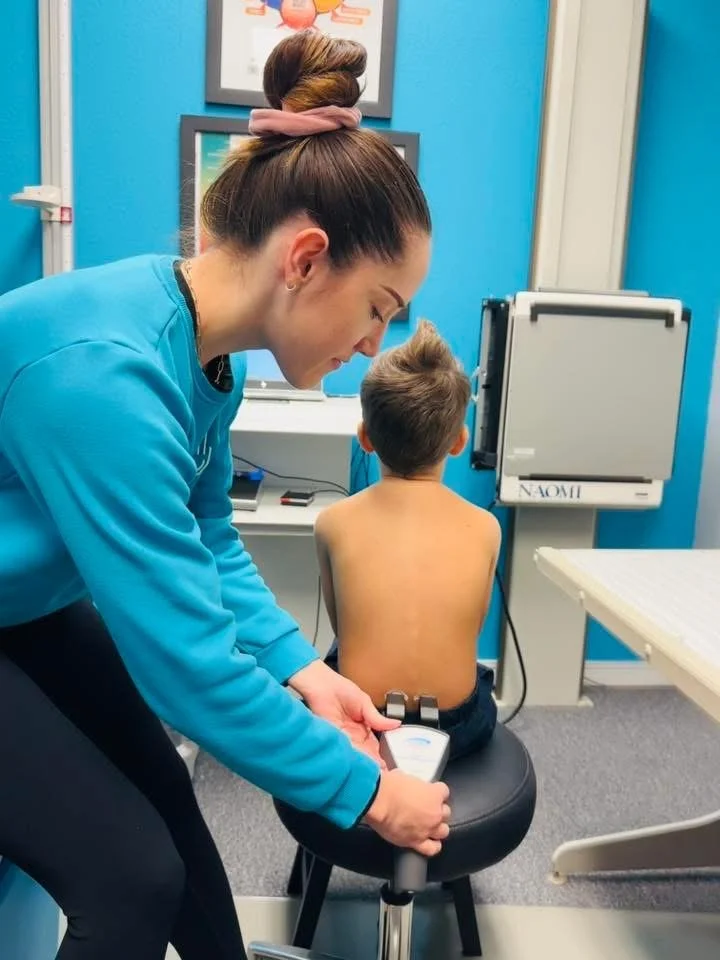
INSiGHT Scans and the Foundation of Personalized Care
When symptoms show up - pain, tension, poor sleep, digestive issues, behavioral challenges, or emotional overwhelm - most people want one thing: relief. But symptoms are rarely random. They’re signals coming from the nervous system that the body is struggling to adapt to stress.
What Your Nervous System May Be Trying to Tell You
Symptoms are often the signal, not the full story. When the nervous system is overwhelmed, the body may show signs through sleep struggles, tension, headaches, digestive issues, emotional ups and downs, focus challenges, sensory overwhelm, or simply feeling stuck in stress mode.
Why Low Back Pain Keeps Coming Back
Low back pain is one of the most common reasons adults finally decide to seek care. For some, it shows up as a dull ache after a long day. For others, it feels sharp, tight, unstable, or constantly aggravated by simple things like lifting, bending, sitting, or even sleeping wrong. Sometimes it stays localized in the low back.

Motherhood & The Overloaded Nervous System: Why Burnout Isn’t Just “Part of the Job”
Motherhood is beautiful, meaningful, and often exhausting. But for many moms, that exhaustion goes deeper than a busy schedule or a few late nights. When the nervous system has been stuck in stress mode for too long, it can become harder to recharge, sleep deeply, stay patient, and feel like yourself again.
Helping Owasso Kids and Families Heal Naturally
We believe families deserve more than a quick fix. They deserve answers, support, and a care plan built around their story. Whether your child is struggling with sleep, digestion, focus, sensory challenges, emotional regulation, recurring illness, or developmental concerns, we want to look deeper than the symptoms.