Blog & Videos
Why Low Back Pain Keeps Coming Back
Low back pain is one of the most common reasons adults finally decide to seek care. For some, it shows up as a dull ache after a long day. For others, it feels sharp, tight, unstable, or constantly aggravated by simple things like lifting, bending, sitting, or even sleeping wrong. Sometimes it stays localized in the low back.

Motherhood & The Overloaded Nervous System: Why Burnout Isn’t Just “Part of the Job”
Motherhood is beautiful, meaningful, and often exhausting. But for many moms, that exhaustion goes deeper than a busy schedule or a few late nights. When the nervous system has been stuck in stress mode for too long, it can become harder to recharge, sleep deeply, stay patient, and feel like yourself again.

Helping Owasso Kids and Families Heal Naturally
We believe families deserve more than a quick fix. They deserve answers, support, and a care plan built around their story. Whether your child is struggling with sleep, digestion, focus, sensory challenges, emotional regulation, recurring illness, or developmental concerns, we want to look deeper than the symptoms.
Why Burnout Isn’t Just “Part of the Job”
Motherhood is one of the greatest callings in the world. It is full of love, purpose, connection, and moments that make everything worth it. But even in the middle of all that beauty, many moms are quietly running on empty.

How Prenatal Stress Really Affects Mom and Baby
Prenatal stress is about more than emotions alone. During pregnancy, stress can be emotional, physical, chemical, and neurological — and all of it affects how well mom’s body is adapting during this season. That is why we use INSiGHT Scans to look deeper.

Why Families Trust Innate Family Chiropractic as Owasso’s Pediatric Drug Free Chiropractor
When parents in Owasso are looking for natural, drug-free support for their children’s health, they want more than a quick visit and a rushed conversation. They want answers. They want a provider who listens.

What Is PANDAS and Why Sudden Changes in Kids Should Never Be Ignored
Did your child seem to change overnight after being sick? PANDAS is often linked to a misdirected immune response after strep. Sudden OCD behaviors, tics, anxiety, mood swings, sleep struggles, sensory issues, and regression can all be signs that something deeper is going on.
Prenatal Stress and the Nervous System
Pregnancy is exciting, emotional, and life-changing. It can also feel overwhelming fast. From the moment you see that positive test, your mind starts racing. You think about appointments, symptoms, labor, baby’s health, your changing body, and all the opinions that seem to come from every direction.

Why Milestone Order Matters More Than Most Parents Realize
Most milestone conversations focus on timing - but one of the most important pieces often gets missed: the order matters too. Head control, rolling, sitting, crawling, standing, and walking are not just random steps.
What Is PANDAS and PANS and Why Sudden Changes in Kids Should Never Be Ignored?
Few things are more unsettling for a parent than watching their child seem to change overnight. One day, your child seems like themselves.
From Stress to Strength: Tracking Soft Signs
Deeper sleep, smoother digestion, easier transitions, less sensory overwhelm, better posture/coordination… these are soft signs of healing, signals your child’s nervous system is regulating and building a stronger foundation.
What Causes Developmental Delay in Children?
Developmental delays happen when a child is significantly behind in reaching milestones in one or more areas of development. These milestones are not just boxes to check off by a certain age—they reflect how a child’s brain and body are organizing, integrating, and building skills in the proper sequence. That sequence matters.
Why Healing Feels Like a Roller Coaster (And What It Really Means)
Healing isn’t linear—especially for the nervous system. Most families move through 3 phases: Release → Rebuild → Restore. If it feels “better, worse, better,” it may be your body reorganizing—not failing. Want clarity on your child’s stress patterns? Let’s check their nervous system.
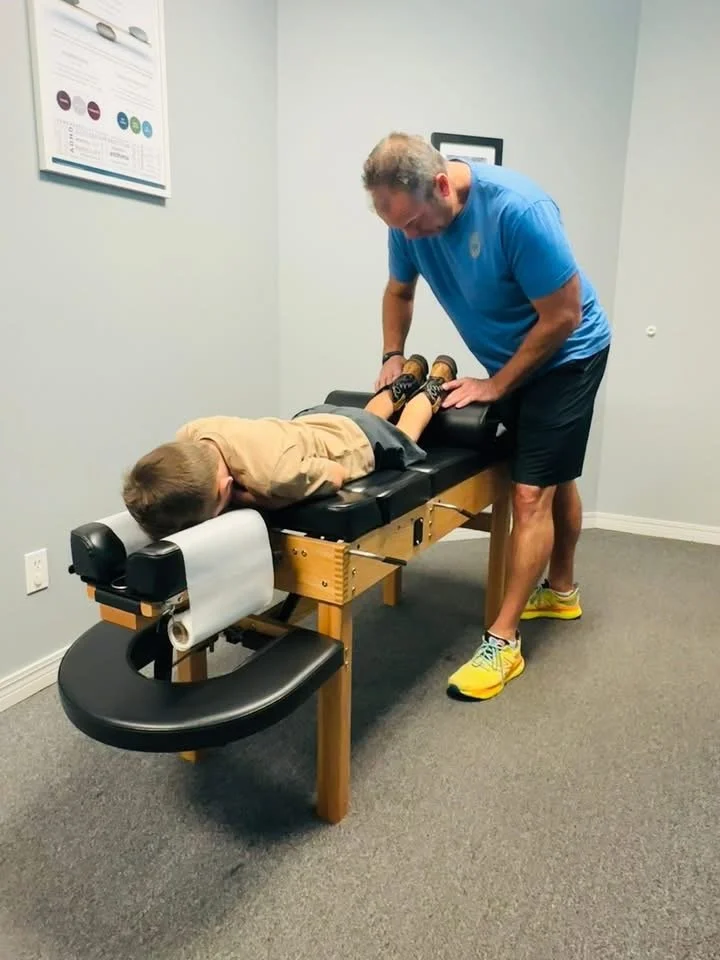
Soft Signs of Healing
When families start a new care plan, most parents are hoping for big, obvious changes—better speech, fewer meltdowns, improved focus, smoother motor skills, less anxiety, better sleep… the whole list.
Allergies, Asthma, and the Nervous System: Why Regulation Matters
Allergies and asthma are often viewed as immune or respiratory problems—but there’s a deeper connection many families never hear about. Both breathing and immune responses are controlled by the nervous system.
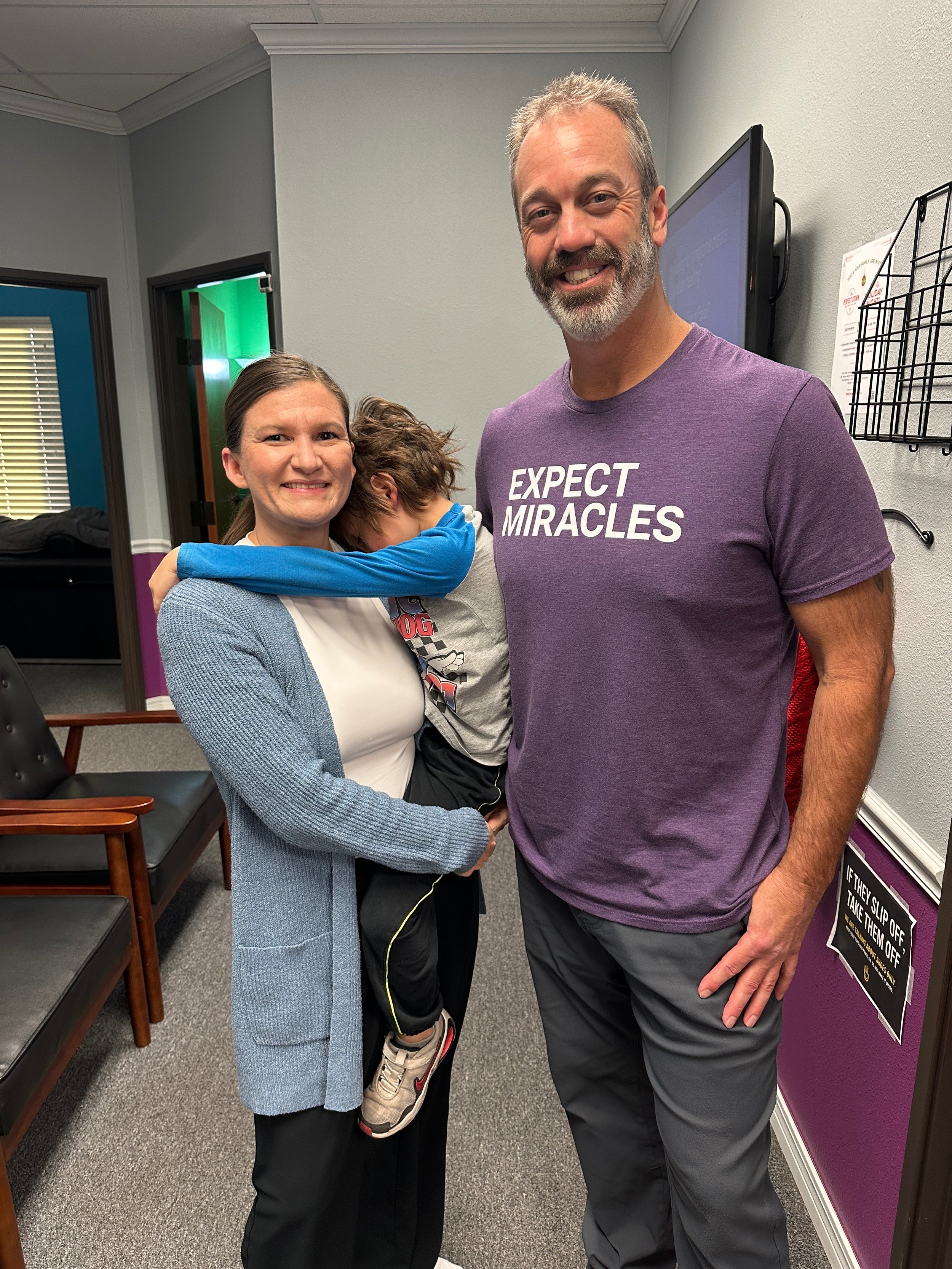
Headaches, Migraines, and Neck Tension: A Nervous System Perspective
Headaches and migraines are one of the most common reasons adults seek care — and one of the most misunderstood. For many people, head pain is treated as a muscle problem, a hydration issue, or something to “manage” with medication.
Headaches, Migraines & Neck Tension: The Nervous System Connection Most People Miss
Headaches and migraines aren’t just a pain problem—they’re often a nervous system problem. In this video, Dr. Drake explains how neck tension, stress, and neurological overload contribute to chronic head pain—and why addressing the nervous system can make a real difference. If you’re tired of chasing symptoms, this is where the conversation changes.
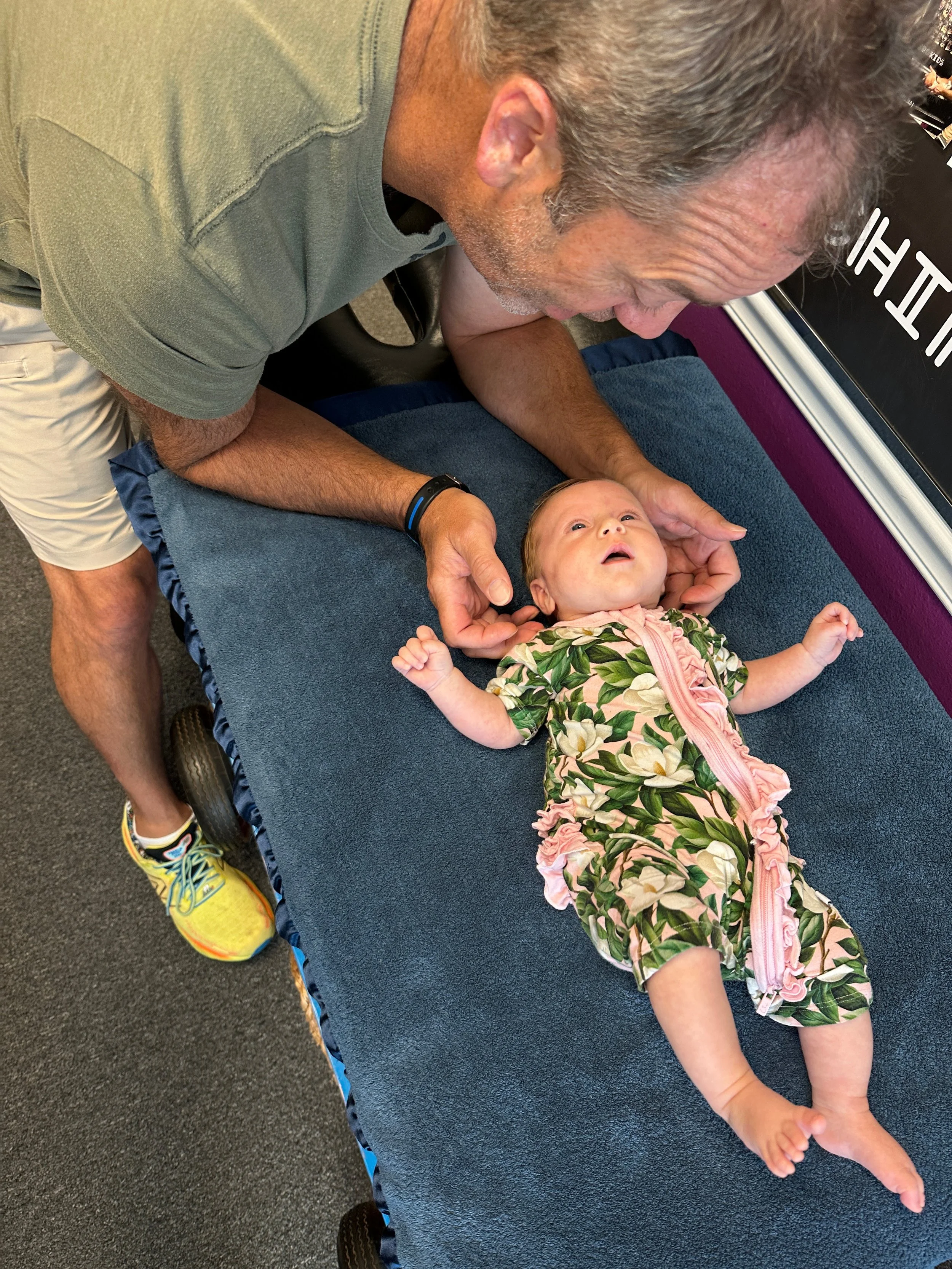
C-Sections and Autism: What Parents Need to Know About Neurodevelopment
Birth is not just a moment in time—it’s the nervous system’s very first major stress and adaptation event. For many families, a C-section is absolutely necessary and lifesaving. If your child was born via C-section, this conversation is not about blame, guilt, or fear. It’s about understanding.
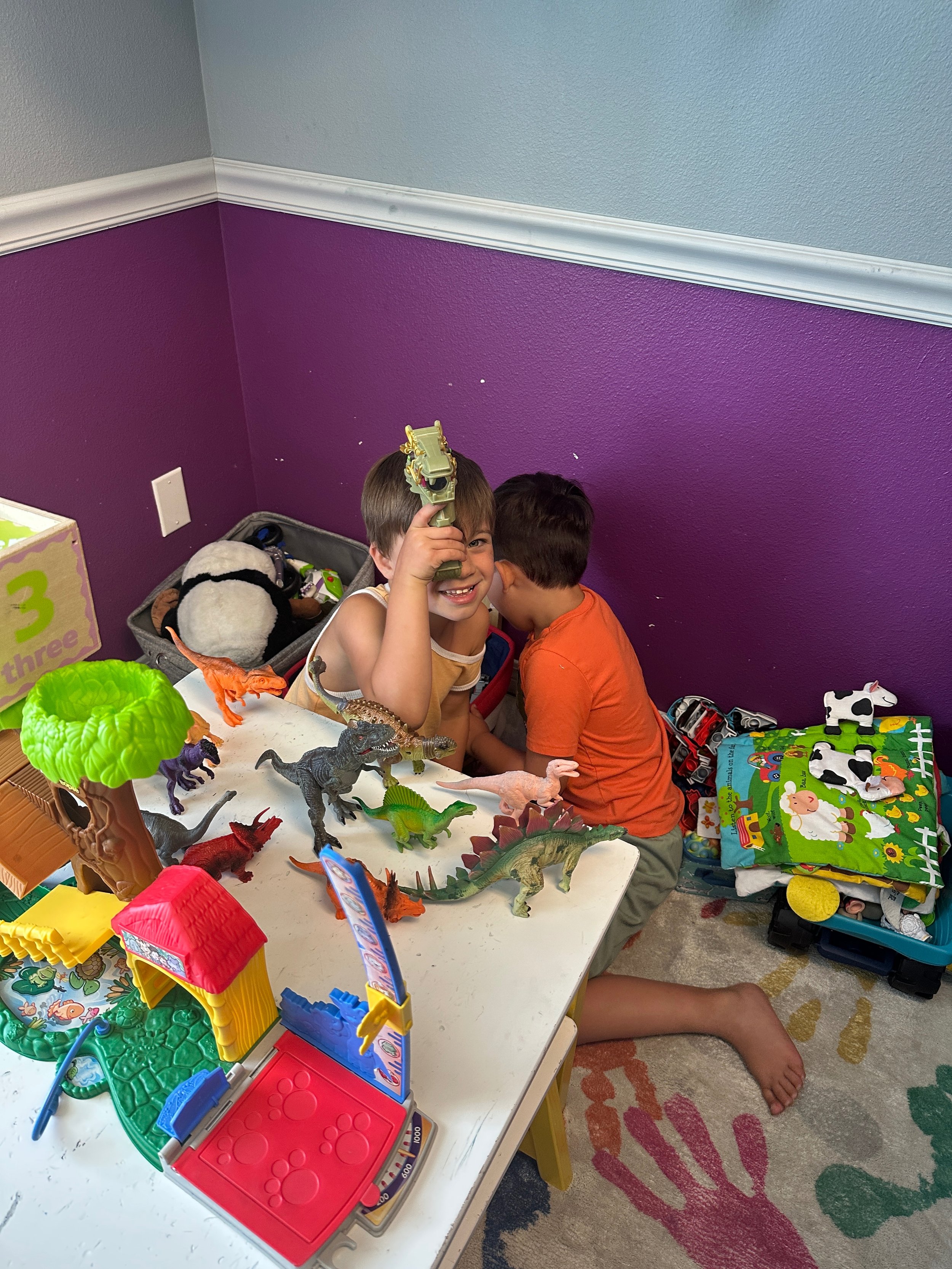
ADHD & The Vagus Nerve: A Neurological Approach to Attention and Regulation
ADHD is one of the most commonly discussed neurodevelopmental challenges today, but what’s often missing from the conversation is the role of the autonomic nervous system—especially the vagus nerve.

Pregnancy & The Parasympathetic System: Supporting Calm, Comfort & Regulation
Pregnancy is one of the most dramatic transformations the human body can experience. Hormones shift, posture changes, ligaments soften, organs move, and circulation increases—all to support the developing baby.